
In this blog:
- How does insulation work? Thermal insulation slows heat transfer between your home’s interior and exterior, helping maintain comfortable indoor temperatures.
- Why does insulation matter? Energy-efficient windows, exterior doors and insulated siding use features like argon gas, foam cores and insulating underlayment to reduce heat transfer.
- How to choose the right features: Consider your home’s existing condition, local climate and product insulation ratings when comparing exterior home upgrades.
Struggling to stay comfortable inside in Houston? It might not be your HVAC unit malfunctioning. Thermal insulation, present in exterior elements like windows, doors and siding, impacts your home’s comfort more than you might think. By slowing down how fast heat transfers between different surfaces, thermal insulation can provide powerful, lasting comfort and help lower monthly energy bills. We’ll walk through what thermal insulation is, how it works and where it fits in exterior home improvements.
What Is Thermal Insulation and How Does It Work?
Thermal insulation slows down heat transfer by setting up barriers that resist thermal energy flow between the interior and exterior of a building. These barriers are made of varying materials that have naturally low thermal conductivity. We’ll discuss specific types of barriers used for each product below.
How Does Insulation Reduce Heat Transfer?
There is no stopping heat transfer entirely. Heat naturally moves from warmer areas into cooler ones, which means that it creeps in during summer heat waves and leaches out during cold winter nights. It moves in three separate ways: conduction, convection and radiation.
- Conduction: Heat passes through solid objects, like your window frame.
- Convection: Heat transfers through the air or through moisture, such as condensation.
- Radiation: Heat transfers via electromagnetic energy, like sunlight through windows.
However, even with three different methods of heat transfer, you can minimize heat gain or loss throughout the year well enough that your home is comfortable no matter the season.

Where Is Insulation Found in Your Home’s Exterior?
This table will give you a good overview of how insulation puts in the work for different exterior home products. They all contribute to your home’s overall energy efficiency, but insulation works differently in each.
| Home Feature | Where Insulation Works |
| Windows | Sealed pane spacing and argon gas inserts, glass coatings, spacers and frame design work together. |
| Exterior Doors | A foam core in some solid doors, or insulated glass in glazed doors. |
| Siding | An attached foam backing or separate insulation underlayment in certain siding systems. |
Sources: DOE window systems, undated; DOE insulated siding, undated.
How Does Window Insulation Work?
Windows are made to protect your home against weather and outside noise, but they manage heat transfer, too. Each component works together to create a tightly sealed, efficient product.
Multiple Glass Panes and Insulating Gas
Double- or triple-pane windows use an inert, insulating gas between the panes to drastically reduce heat transfer. Most window companies use argon or krypton gas as their insulating agent. Window World uses argon, since it’s denser than oxygen with extremely low thermal conductivity. This reduces drafts near your windows that affect your home’s temperature and improves overall energy efficiency.
Low-E Glass and Energy-Efficient Window Frames
While not traditional insulation, low-E glass coatings help manage UV and radiant heat, or heat that warms objects and the ground via electromagnetic waves without warming the air itself. This helps lower utility bills, and means less fading on furniture, carpets or wallpapers that see sunlight from your windows.
Our vinyl window frames also contain Intercept™ warm-edge spacers that insulate the edges of the sealed glass unit, leading to better thermal performance and a more comfortable home.
How Do Exterior Doors Provide Insulation?
Doors are typically associated with security and convenience. You may not be familiar with how much energy efficiency and temperature control good door insulation can provide.
Insulated Entry Door Cores
Depending on the model, fiberglass entry doors might use an insulating foam (polyurethane) core to hinder heat transfer inside or out. This isn’t visible from the outside. While you can see elements like the weatherstripping on the edge of the door, foam cores are part of the internal structure. If your door has door lites, they will contain their own thermal performance elements.
Insulated Glass in Patio Doors
With their large glass surfaces, sliding patio doors have unique insulation features. In some ways, their energy efficiency standards are closer to windows than other door models. Much like in windows, low-E glass and warm-edge spacers provide insulating glass panels and seals. One key element shared by all doors, though, is weatherstripping. This helps limit unwanted airflow around the door’s edges. For sliding doors in particular, heavy-duty weatherstripping is crucial.
What Does Insulated Siding Add to Walls?
Searching for new home siding? Not all exterior siding is the same. Insulated siding offers much higher benefits for home comfort and energy efficiency compared to other models.
Standard vs. Insulated Siding
Standard siding offers the slats alone. Depending on the material used, this can provide a measure of protection. However, insulated siding stands head and shoulders above standard siding in terms of energy-efficient thermal resistance. Insulation fits behind the siding slats, wrapping your home in a thermal blanket that shields your home from heat gain or loss.

Why Do Proper Sealing and Professional Installation Matter?
No matter how well-insulated a window is, if it’s not installed properly, gaps in the seals could lead to unwelcome drafts inside. Air seals, like weatherstripping and caulking, and other thermal insulation features work together to combat two related problems: keeping your windows sealed and raising thermal resistance. Without professional installation, thermal insulation might not do its best job to keep your home comfortable. It helps you get the intended performance out of your product, and peace of mind that your home is in expert hands.
What Insulation Ratings Should Homeowners Know?
Insulation ratings don’t all measure the same thing. Understanding the differences in ratings can help you feel certain about the products you’re comparing, and know which is the best fit for your home.
We’ve included a quick overview of the values you’ll likely encounter for thermal insulation ratings below.
| Rating | What it tells you |
| R-value | Thermal resistance of a specified material or assembly. Higher values mean better resistance. |
| U-factor | Heat transfer through the rated window or door assembly. Lower values mean less transfer, which is good |
| SHGC (Solar Heat Gain Coefficient) | Solar heat admitted through glazing. Evaluates sun exposure and cooling needs. |
| Air Leakage Value | Measures airflow through the rated product, separate from its insulation and seal. |
Sources: AIA definitions, 2026, NFRC label guidance, undated, ENERGY STAR.
How Can You Choose the Right Insulation Features for Your Houston Home?
Houston’s long, hot summers can put your home’s energy efficiency to the test. High humidity, intense sunlight and occasional winter cold snaps can make it difficult to maintain comfortable indoor temperatures, especially when your windows, doors or siding aren’t performing as they should. Choosing the right insulation features can help reduce unwanted heat transfer and keep your home comfortable throughout the year.
Consider Your Home’s Existing Condition
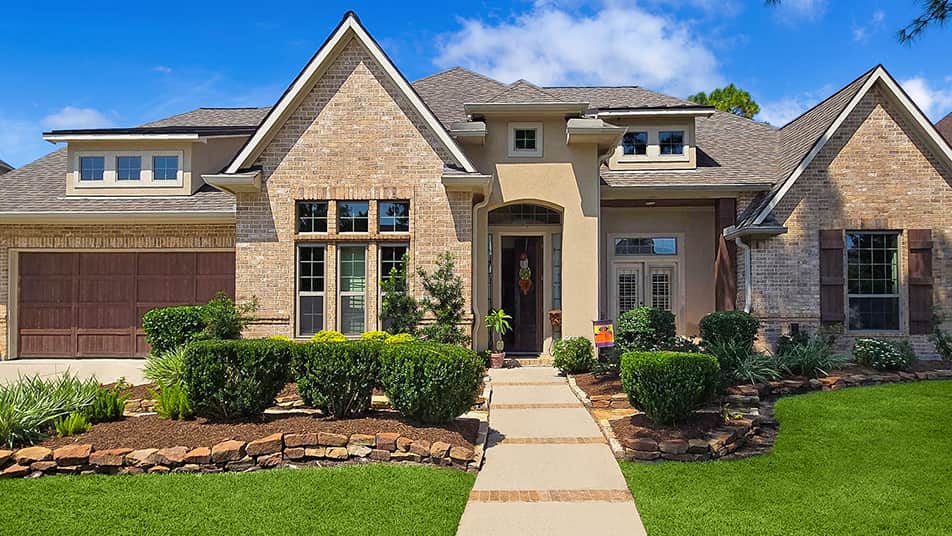
Houston has a wide variety of homes, including historic bungalows in the Heights, traditional brick homes in established neighborhoods and newer developments throughout the Greater Houston area. Each home has different insulation needs depending on its construction, age and exposure to the sun.
Homes with large windows or significant west-facing sun exposure may experience more unwanted heat gain during the summer. Older homes may also have worn weatherstripping, aging windows or gaps around exterior openings that allow conditioned air to escape.
Before replacing your windows, doors or siding, consider your home’s existing insulation, window placement and overall condition. These factors can help you determine which energy-efficient features will make the biggest difference.
Ask the Right Questions Before Replacing Exterior Products
When you’re going through your estimate appointment with exterior home upgrade specialists, ask these questions:
- Which insulation features are included with this product?
- What energy-performance ratings apply to the complete product?
- How will the installation account for my home’s existing openings or construction?
- Are different energy-efficient packages available?
At Window World of Houston, our team is happy to address any questions you may have about energy efficiency. We’ve got in-depth product knowledge and can give you the details you need to be satisfied with your upgrades.
Ready to Compare Your Energy-Efficiency Options?
Window World of Houston can help you explore replacement windows, doors and siding with the energy-efficient insulation features that make sense for your home. Whether you’re in Houston or beyond, our local team is ready to help. Give us a call for your free estimate!
Frequently Asked Questions
What is insulation and how does it work?
A window, door or siding’s insulation slows down heat transfer by setting up barriers that prevent heat flow from one surface, space or object to another.
Does insulation help keep a house cool in summer?
Yes, but insulation is useful year-round, not just in summer. Heat gain or loss is a constant process. Insulation is just as effective at keeping your cooled air inside in the summer as it is at keeping your home warm during the winter.
Does vinyl siding provide insulation?
Standard vinyl siding does not necessarily provide insulation. Insulated siding offers a layer of insulation beneath the cladding that provides additional protection against heat transfer.
Is insulation the same as air sealing?
No, they are not the same. Thermal resistance prevents heat transfer. Air sealing prevents air movement between the indoors and out. Your home’s comfort depends on both elements working well.